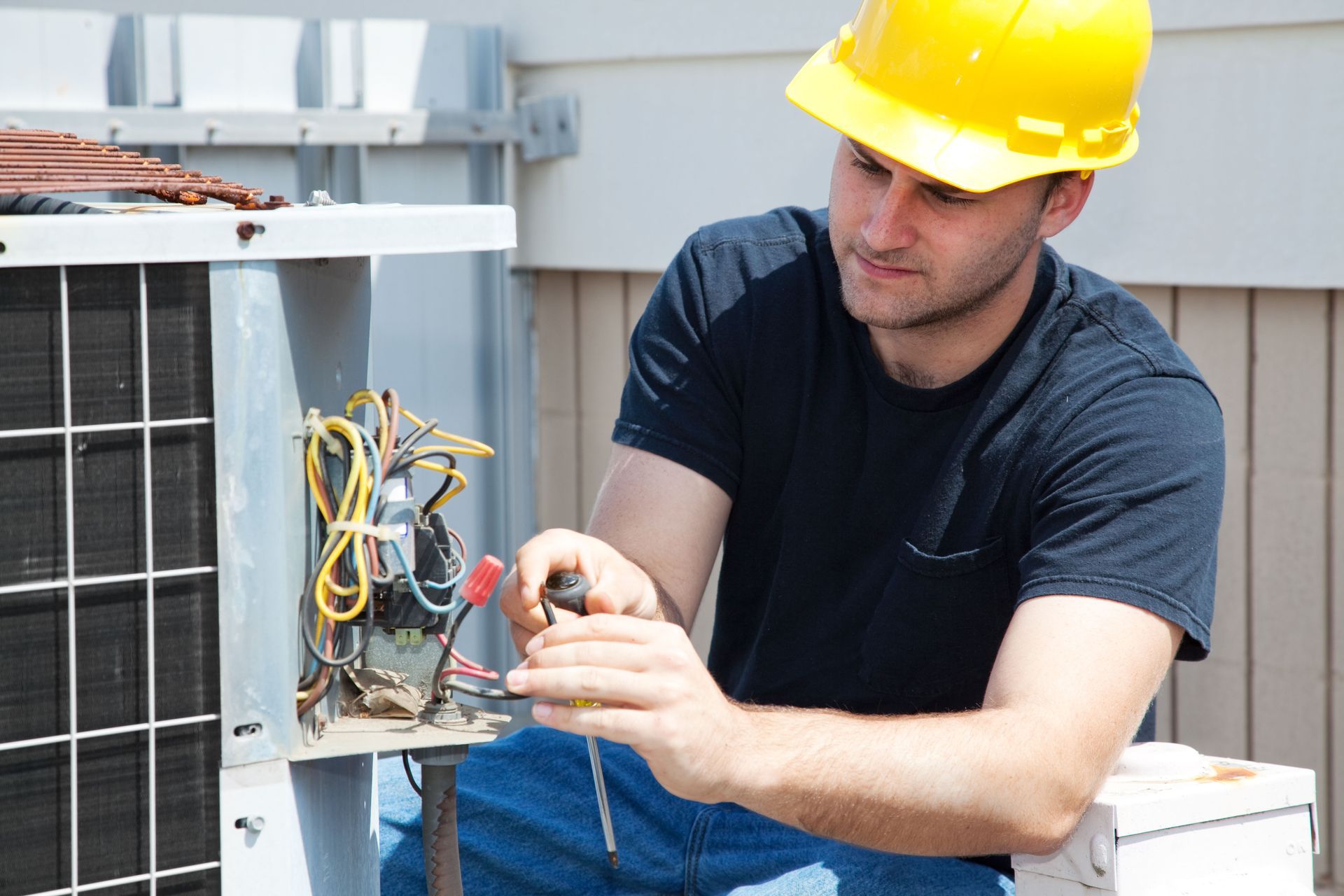
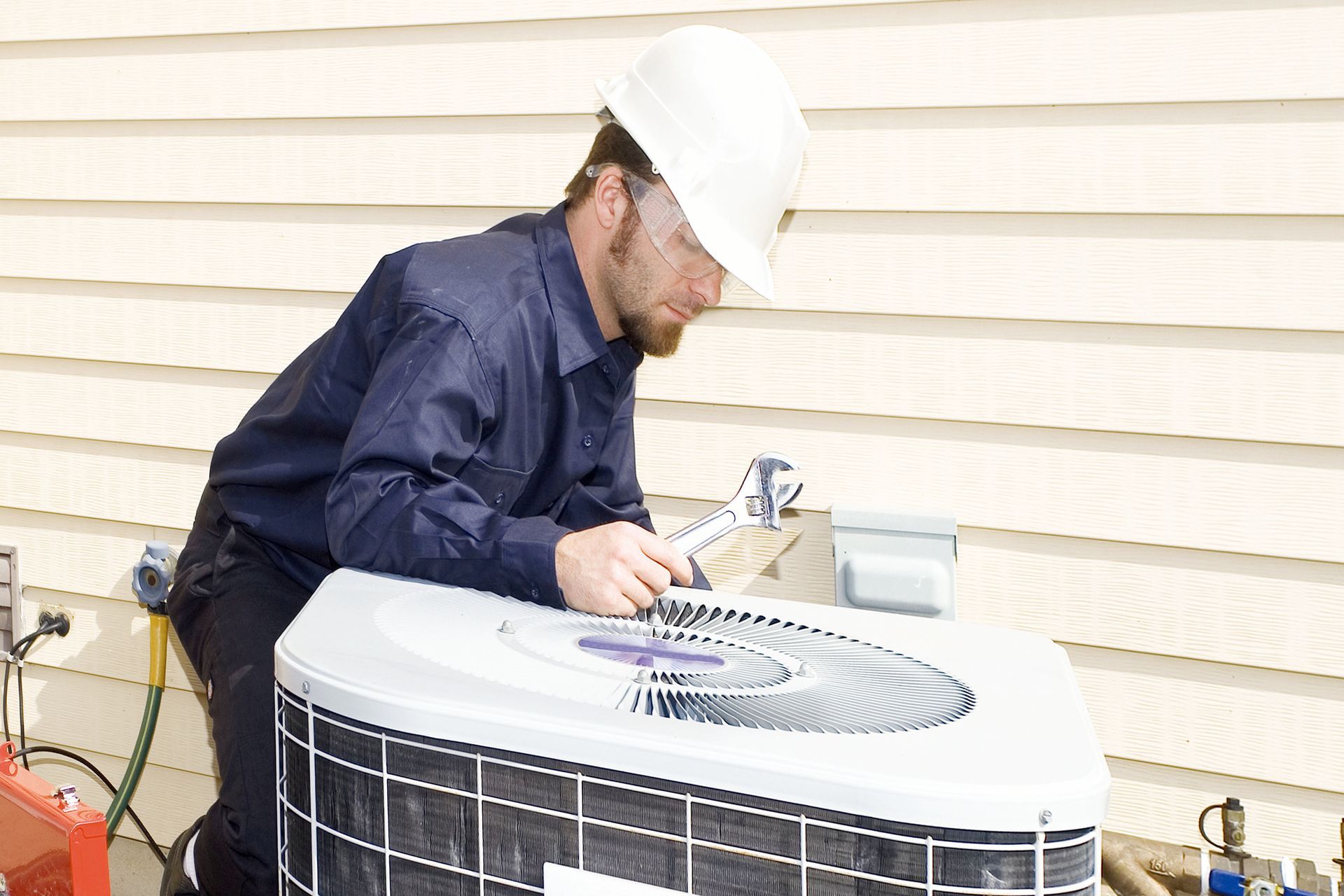
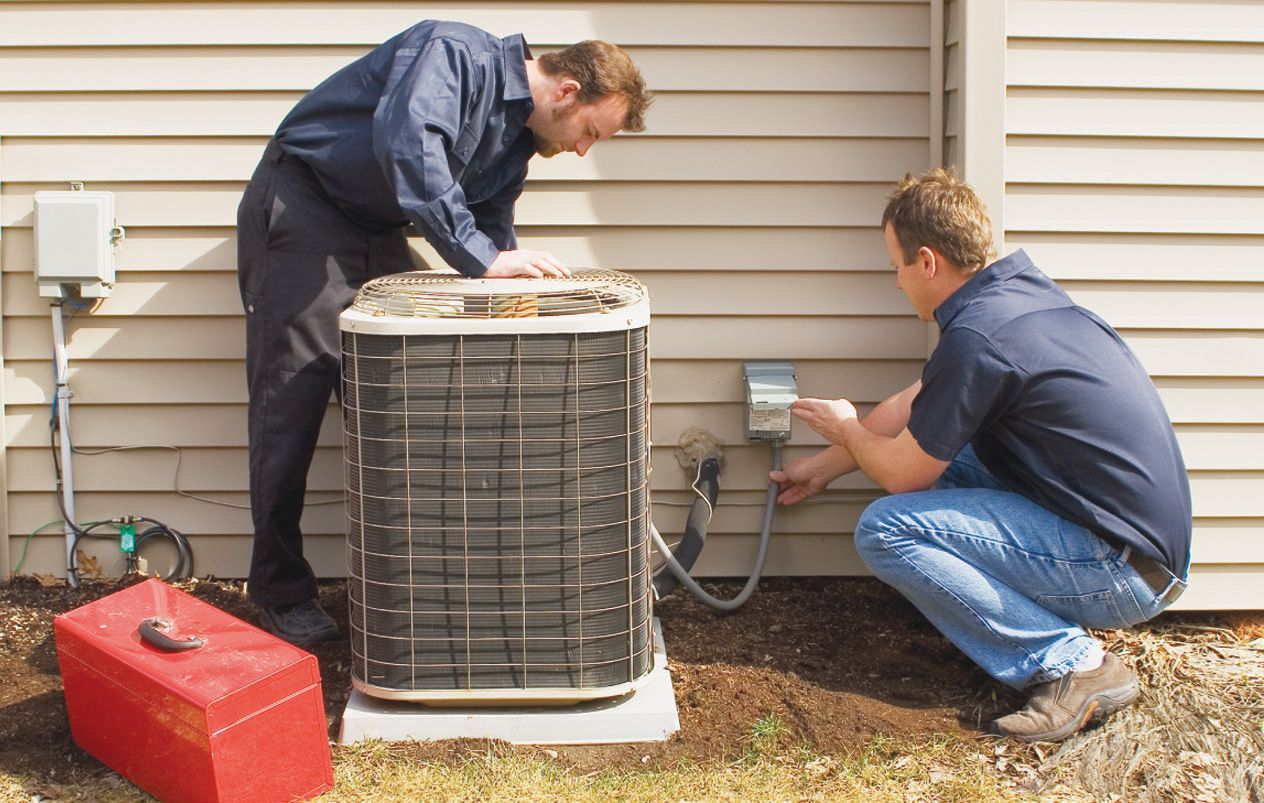
When the AC starts acting up, it’s easy to assume it’s just another household inconvenience that can be figured out along the way. But the financial reality of HVAC work tells a very different story. Systems tied to cooling and heating are complex, interconnected, and surprisingly sensitive to small missteps. What might look like a simple fix on the surface can quickly turn into a chain reaction of expenses, delays, and repeat service calls. That’s where understanding the real financial gap between improper handling and professional support becomes so important. Even routine AC repairs can reveal how quickly costs shift when the system isn’t handled with precision.
Most homeowners don’t think about their HVAC system until something noticeably changes—warm air instead of cool, odd sounds, or inconsistent airflow. At that point, decisions tend to happen under pressure, and that’s often where financial risks start to pile up. The difference between short-term savings and long-term costs is not always obvious at the time, but it becomes very clear over time. Even something as straightforward as AC repairs can carry unexpected financial consequences when the underlying system isn’t fully understood.
Unexpected System Damage Costs
One of the biggest financial risks tied to HVAC work comes from unintended system damage that can happen when components are handled without a full technical understanding. Modern systems are tightly integrated, meaning one incorrect adjustment can affect multiple parts of the unit. What starts as a minor issue can escalate into a full system malfunction that requires far more extensive intervention. In many cases, AC repairs become more expensive simply because the root cause wasn’t correctly identified early on.
Higher Energy Bills From Inefficiency
Energy efficiency is often overlooked until utility bills start climbing. Even small calibration errors or overlooked airflow issues can force an HVAC system to work harder than necessary, increasing monthly costs over time. These inefficiencies don’t always show up immediately, which makes them especially costly in the long run. It’s not unusual for AC repairs to uncover performance issues that have been quietly affecting energy usage for months. This strain can also shorten the overall lifespan of key system components, leading to earlier-than-expected replacements. Over time, what starts as a minor inefficiency can quietly turn into a much larger financial burden that shows up in both repairs and long-term energy consumption.
Misdiagnosis Leading To Repeat Expenses
Incorrect diagnosis is one of the most expensive pitfalls in HVAC decision-making. When the wrong issue is addressed, the original problem remains unresolved, and additional costs accumulate as new attempts are made to fix it. This cycle can continue until the underlying issue is finally identified. Many homeowners find that AC repairs end up being repeated more than once when the initial assessment doesn’t fully capture the system’s condition.
Hidden Costs Of Replacement Parts
HVAC systems rely on specific components designed to work within tightly defined tolerances. When replacement parts are not correctly matched or installed, the system can experience reduced performance or even additional failures. These hidden costs often go unnoticed until further issues arise. It’s not uncommon for AC repairs to reveal that multiple components need attention due to earlier mismatched or incomplete replacements. These issues can also place extra strain on neighboring parts, causing a ripple effect that accelerates overall system wear. Over time, that kind of imbalance can turn what seemed like a simple fix into a series of increasingly expensive AC repairs.
Impact Of Poor Airflow Management
Airflow plays a critical role in how efficiently a system operates, and even small disruptions can create larger financial consequences. Blocked vents, improper duct alignment, or uneven distribution can force the system to work harder, increasing wear and tear over time. These issues often remain unnoticed until comfort levels drop significantly. During routine AC repairs, airflow problems are frequently identified as contributing factors to ongoing inefficiency.
Filter Maintenance And System Strain
Regular system upkeep is often underestimated in its financial impact. According to Bob Vila, a popular home improvement publication, it's recommended to change your HVAC air filter every one to three months. When this kind of maintenance is overlooked, the system can become strained, leading to reduced efficiency and increased operational costs. Over time, neglected filters can contribute to more frequent AC repairs due to restricted airflow and added pressure on internal components.
Emergency Service Premium Costs
When HVAC systems fail unexpectedly, emergency service calls can significantly increase total expenses. Urgent scheduling, after-hours labor, and expedited parts sourcing all contribute to higher costs compared to planned service. These situations often arise when small issues are not addressed early enough. It’s during these moments that AC repairs tend to become far more expensive than anticipated, especially when multiple system failures occur at once.
Long-Term Wear And Tear Acceleration
When a system operates under stress for extended periods, wear and tear naturally accelerate. Components begin to degrade faster, leading to more frequent breakdowns and reduced system lifespan. This creates a financial cycle where repairs become increasingly common over time. Many cases of AC repair services reveal that long-term strain was building gradually long before the system showed obvious signs of failure. This ongoing stress can also make the system more vulnerable to sudden failures during peak usage times, when demand is highest. Over time, that hidden strain builds into a pattern where AC repairs become less about isolated issues and more about addressing deeper system fatigue.
Warranty And Coverage Complications
Warranties are designed to protect homeowners from unexpected costs, but they often come with strict conditions. If a system is altered or maintained outside of recommended guidelines, coverage can become limited or voided. This can result in significantly higher out-of-pocket expenses later on. It’s not unusual for AC repairs to expose situations where warranty protection no longer applies due to earlier service decisions.
Property Value And System Reliability
A well-functioning HVAC system contributes to overall property value, while ongoing issues can have the opposite effect. Potential buyers often pay attention to system reliability, knowing that future replacement or repair costs may factor into their decision. Inconsistent performance or repeated service needs can influence perceptions of the home. Frequent AC repairs can become a red flag during inspections, impacting long-term financial outcomes. This can lead to lower offers or added negotiation pressure if buyers anticipate immediate HVAC investment after purchase. Over time, even the perception of unreliable cooling performance can reduce overall market confidence in the property.
Professional Coordination And Cost Control
Working with experienced HVAC professionals helps streamline both diagnosis and repair processes, reducing unnecessary expenses and repeated interventions. Coordinated service ensures that system issues are addressed the first time accurately, helping avoid compounding costs. This is where companies like Metro Air Conditioning Heating & Services play a key role, offering structured approaches that help keep AC repairs more predictable and financially manageable over time.
The financial differences between improper HVAC handling and professional service become more obvious the longer a system operates. What may seem like small savings at the start can gradually turn into higher energy bills, repeated service calls, and avoidable system strain. Even routine AC repairs can highlight how quickly costs escalate when the system isn’t fully understood or properly maintained. In the end, the real financial risk isn’t just about the immediate fix—it’s about how each decision affects the system’s performance, lifespan, and overall reliability over time. Making informed choices helps keep those costs stable and the home environment consistently comfortable.